
Are care-experienced children more likely to have recorded neurodevelopmental conditions?
A new study, published in the International Journal of Population Data Science (IJPDS) has found that neurodevelopmental conditions are recorded more often among children with care experience than among children without care experience.
Researchers linked health, education and social care records for almost 127,000 children in Wales to examine how often neurodevelopmental conditions were recorded, the age at which they were first recorded, and where these records came from.
Neurodevelopmental conditions, such as autism spectrum disorder (ASD), attention deficit hyperactivity disorder (ADHD) and learning difficulties, can affect how children develop, learn, communicate and interact with others. Previous research has shown that children with care experience can face greater health and educational inequalities, but there has been less evidence looking specifically at neurodevelopmental conditions across the care population.
The study found that overall, around 30% of children had a recorded neurodevelopmental condition. Among children with care experience, the proportion was almost twice as high, 56% compared to 29% of children without care experience. Differences were particularly noticeable for ADHD, learning difficulties and ASD.
The researchers also found that neurodevelopmental conditions were typically recorded at a younger age for children with care experience.
For example, the median at which ASD was first recorded was 7.4 years for children with care experience, compared to 10.3 years for those without care experience. Looking across all neurodevelopmental conditions, the median age at first recording was 6.3 years for children with care experience compared to 7.1 years for children without care experience.
The researchers suggest there are likely to be several reasons for these differences, including differences in underlying needs and opportunities for conditions to be identified and recorded. Children with care experience may have more regular contact with health and social care services, meaning that there are more opportunities for their needs to be recognised. At the same time, changes in care placements, schools and relationships can make it more difficult to maintain consistent support.
The study also found differences in where conditions were first recorded. For children without care experience, ASD was recorded through health and education records in similar proportions. Among children with care experience, a greater proportion of ASD diagnoses were first recorded through healthcare.
ADHD was predominantly recorded through healthcare for both groups, while learning difficulties were mainly identified through education records.
By linking information from health, education and social care, the researchers were able to build a more detailed understanding of children’s neurodevelopmental needs than would be possible using a single source of data. The findings highlight the potential value of communication and coordination between services to support the identification of needs and access to support.
Joint lead author Grace Bailey from Swansea University said: “Our findings reinforce that neurodevelopmental conditions are overrepresented among care-experienced children. This likely comes from higher underlying need, combined with different opportunities for identification and support.
Our results show how important it is for health, education and social care to work together so every child gets timely support. Linked administrative data like this is also incredibly valuable for understanding and meeting the needs of our most vulnerable children.”
The paper is published posthumously in memory of Dr Helen Hodges, who led the analysis before her passing in January 2026. She remained deeply committed to using data to improve outcomes for marginalised young people, and they were proud to bring her work to publication.
Click here to read the full article
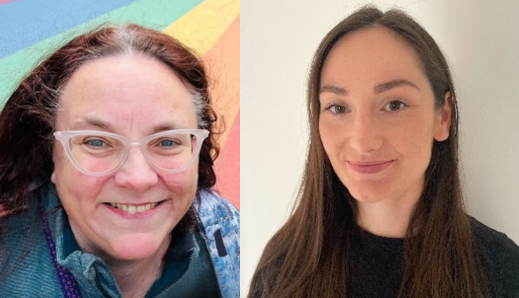
Dr Helen Hodges and Dr Grace Bailey, Swansea University, Wales UK